Why Dustless Blasting Houston Is the Smarter Choice for Your Next Project
A Cleaner Approach to Surface Preparation
For years, traditional sandblasting was the default method for stripping paint, rust, and coatings from metal, concrete, and wood surfaces. Anyone who has watched a sandblaster work knows the sight: a thick cloud of dust billowing across a job site, coating everything in a fine grit that settles into cracks, clings to clothing, and drifts into neighbors' yards. In a city like Houston, where humidity and heat already make outdoor work challenging, that dust cloud can turn a routine project into a neighborhood nuisance. That is where dustless blasting Houston services come in, offering a controlled, low-dust alternative that keeps the work area cleaner and the process faster.
The principle behind dustless blasting is straightforward. Instead of relying solely on dry abrasive propelled by compressed air, the system introduces a fine mist of water at the blast nozzle. The water captures the dust particles before they become airborne, binding them to the abrasive material and the stripped coating. The result is a slurry that falls to the ground rather than floating into the atmosphere. For the operator, that means better visibility, less time spent cleaning up, and a much lower risk of airborne particulates affecting nearby properties or equipment.
How Dustless Blasting Works in Practice
A typical dustless blaster setup consists of a compressor, a pressure vessel for the abrasive, a moisture separator to keep the compressed air dry, and a specialized blast nozzle that mixes water with the abrasive stream. The operator can adjust the water flow to match the surface and the coating being removed. Too little water, and the dust suppression is ineffective. Too much, and the abrasive loses its cutting power. Experienced operators develop a feel for the right balance, and that judgment comes with time on the job.
The choice of abrasive matters a great deal. For heavy rust removal on thick metal surfaces, garnet abrasive or silicon carbide are common choices because they are hard and aggressive. For softer substrates like wood or concrete, glass beads or aluminum oxide offer a gentler touch that removes paint without gouging the surface. In some cases, soda blasting is preferred for its mild action, especially on materials like fiberglass or old brick. The dustless blaster handles all of these abrasives well, as long as the moisture content is tuned to the particle size. Fine abrasives like glass beads require a finer water spray, while coarser materials like sand or steel shot need a heavier mist to keep the dust down.
One advantage of dustless blasting is that it allows the operator to recycle abrasive more effectively. Because the dust is captured by the water, the abrasive that lands on the ground can often be collected, dried, and reused for subsequent passes. This reduces material costs and minimizes waste. That said, not all abrasives can be recycled. Steel shot, for instance, can be reused many times because it resists fracturing, while sand tends to break down quickly and loses its cutting edges after a single use. The operator's experience and the specific job conditions determine the best approach.
Why It Matters for Houston Projects
Houston's climate presents unique challenges for any abrasive blasting project. High humidity can cause flash rusting on bare metal within minutes if the surface is not dried quickly. Dustless blasting helps here because the water used in the process is often mixed with a rust inhibitor or the operator can follow up with a rapid drying step using compressed air. For concrete surfaces, dustless blasting removes coatings without driving moisture deep into the pores, which can cause adhesion problems later. For wood surfaces, the controlled moisture prevents the wood from swelling or warping, a risk with traditional sandblasting that uses dry abrasive at high velocity.
Another practical consideration is containment. In a residential neighborhood near downtown Houston, a traditional sandblaster would require extensive plastic sheeting and tarps to keep the dust from drifting onto cars, lawns, and windows. Dustless blasting dramatically reduces that need. The slurry that falls to the ground is easy to sweep up and dispose of, and it does not become airborne again once it dries. This makes dustless blasting Houston a popular choice for restoring wrought iron fences, cleaning concrete driveways, or stripping paint from wooden decks and siding.
There is also the matter of operator safety. PPE is still required for any blasting job: respirators, gloves, eye protection, and hearing protection. But the reduced dust cloud means the operator can see the work surface clearly, which leads to fewer mistakes and less rework. The water also cools the blast stream, which helps prevent heat buildup on the nozzle and reduces operator fatigue on long jobs.
Comparing Approaches: When to Use Dustless Blasting
Dustless blasting is not always the best choice. For heavy industrial work where dust containment is not a concern and the surface is massive, traditional dry blasting with sand or steel shot can be faster because there is no water to manage. But for most residential and commercial projects in Houston, the trade-offs favor dustless blasting. The cleanup time alone can cut the overall project duration by a third. Add in the reduced need for plastic sheeting and the lower risk of damaging nearby surfaces, and the value becomes clear.
Another factor is the substrate. For concrete surfaces, dustless blasting excels because the water helps control the dust that would otherwise billow into the air and settle on wet concrete, creating a mess. For metal surfaces, the water helps keep the metal cool and reduces the risk of warping or distortion from heat. For wood surfaces, the controlled moisture prevents the wood from absorbing too much grit and allows the operator to see the grain clearly, which is important for achieving a smooth finish before powder coating or painting.
Common Misconceptions
Some people assume that dustless blasting means no dust at all. That is not accurate. It means far less airborne dust, but there is still some. The water captures most of the fine particles, but a small amount can become aerosolized, especially if the nozzle is held too far from the surface or the water pressure is set too low. A well-maintained moisture separator and a quality compressor help keep the air supply clean and ensure consistent water flow. Operators should also be aware that very heavy coatings, like thick layers of marine paint, may require a higher abrasive flow that generates more dust despite the water. In those cases, a combination of soda blasting followed by dustless blasting with garnet abrasive can be a good workflow.
Another misconception is that dustless blasting is always more expensive. The equipment itself can cost more than a traditional blaster, and the water needs to be managed properly. But when you factor in the reduced cleanup, lower material waste, and faster turnaround, the overall cost is often comparable. For a homeowner in Houston looking to strip a backyard fence or a contractor preparing a concrete warehouse floor for powder coating, the investment in a dustless blaster pays for itself in time saved and quality of results.
The Role of Abrasive Choice
Selecting the right abrasive is half the battle. Garnet abrasive is a popular choice for metal surfaces because it is hard, sharp, and cuts quickly without generating excessive heat. Silicon carbide is even harder and works well on very tough coatings, but it can be more expensive and tends to break down faster. Aluminum oxide is often used for finer work, like cleaning aluminum surfaces or removing thin paint layers. Glass beads are gentler and are ideal for wood or concrete where you want to avoid gouging. Steel shot is reserved for heavy-duty applications like removing thick rust or preparing steel for powder coating, because its weight and hardness deliver a strong impact.
The dustless blaster handles all of these abrasives, but the operator must adjust the water flow for each. Finer abrasives need a finer mist to avoid clumping. Coarser abrasives can tolerate more water, which helps with dust suppression. The compressors used in dustless blasting Houston setups are usually larger than standard units, because the water adds weight to the air stream and requires more volume to maintain pressure. A moisture separator is essential to keep the air dry, because any water in the compressed air would dilute the water mist and reduce the dust suppression effect.
Practical Tips for Hiring a Dustless Blasting Service
If you are considering dustless blasting for a project, look for a company that has experience with your specific surface type. Ask about the abrasives they stock and whether they can adjust the mix for your job. A good operator will ask about the coating thickness, the substrate material, and the desired finish. They should also be able to explain how they handle water runoff and disposal. In Houston, where rain is frequent and drainage matters, proper containment of the slurry is important to avoid environmental issues.
Check that the equipment is well maintained. A worn blast nozzle or a faulty moisture separator can ruin the finish and create more dust than necessary. The compressor should be sized for the job. A small compressor running at full capacity will struggle to maintain pressure, leading to inconsistent blasting and more dust. The operator should wear proper PPE and should be able to demonstrate that they follow safety protocols.
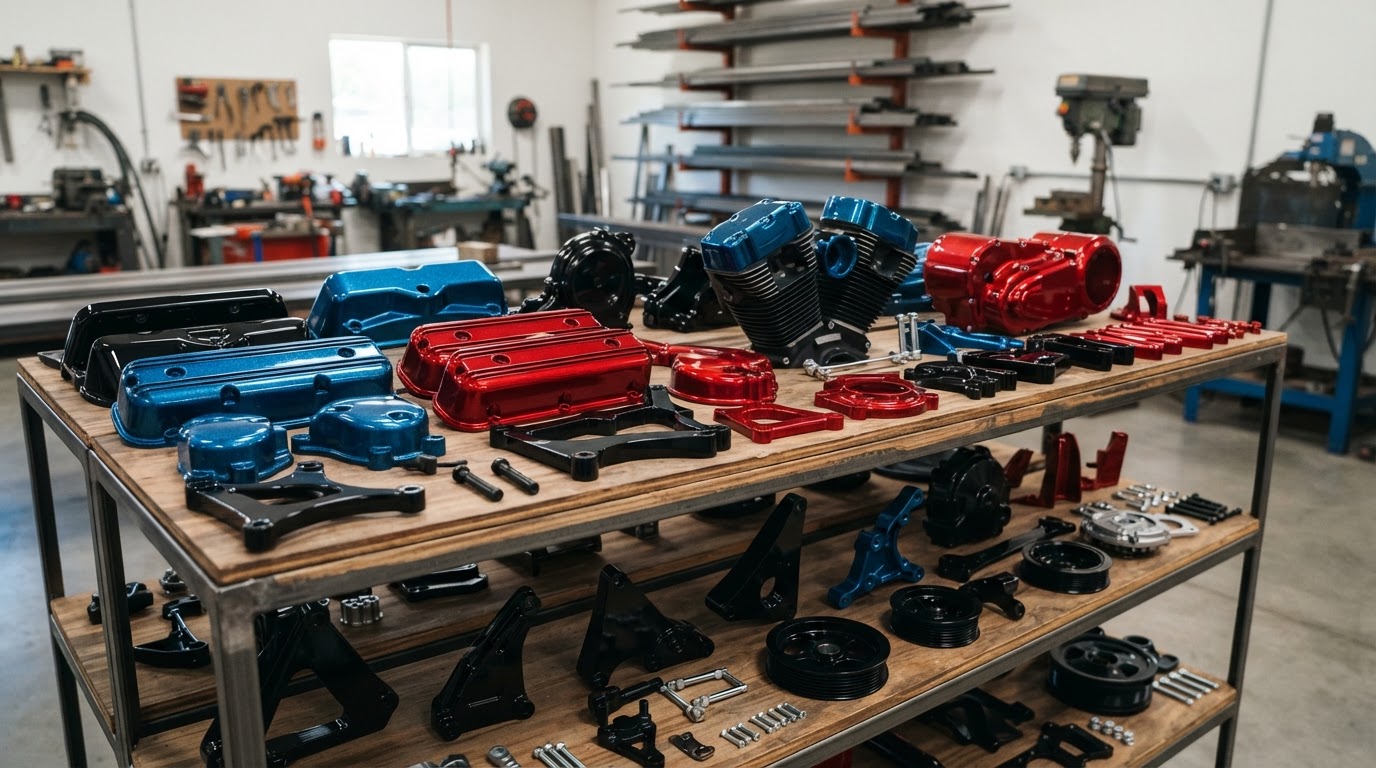
Finally, ask about the post-blasting steps. For metal surfaces, dustless blasting prepares the surface for powder coating or painting. The water leaves the metal slightly damp, so it should be dried quickly to prevent flash rust. A good service will dry the surface with compressed air or a heat source before applying the primer or coating. For concrete and wood, the surface should be allowed to dry fully before any coating is applied, which may take a day or two depending on the weather.
Final Thoughts
Dustless blasting in Houston is not a one-size-fits-all solution, but for the majority of residential and commercial projects, it is the method that balances speed, cleanliness, and quality. The ability to control dust, recycle abrasive, and work on a variety of surfaces makes it a versatile tool in any contractor's arsenal. Whether you are stripping a wrought iron gate, cleaning a concrete driveway, or preparing a wooden deck for a fresh coat, the right abrasive and a well-tuned dustless blaster can deliver a clean, even surface with minimal mess. If you live in Houston and are planning a surface preparation project, consider dustless blasting Houston as the method that keeps your job site cleaner, your neighbors happier, and your results more consistent.